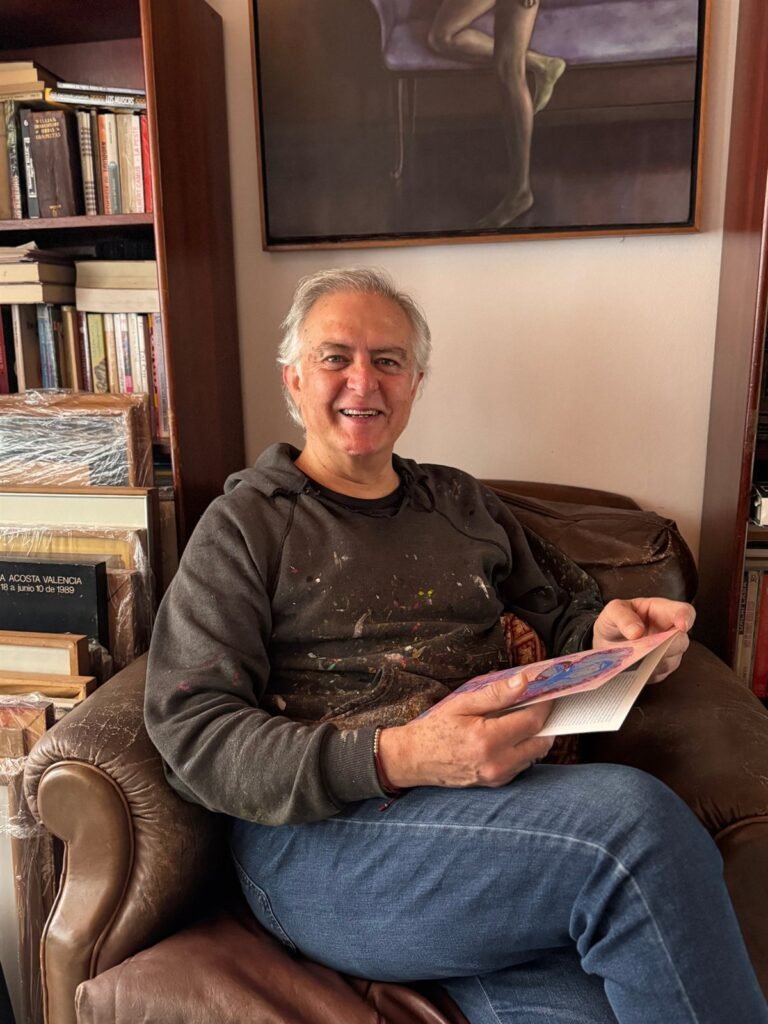
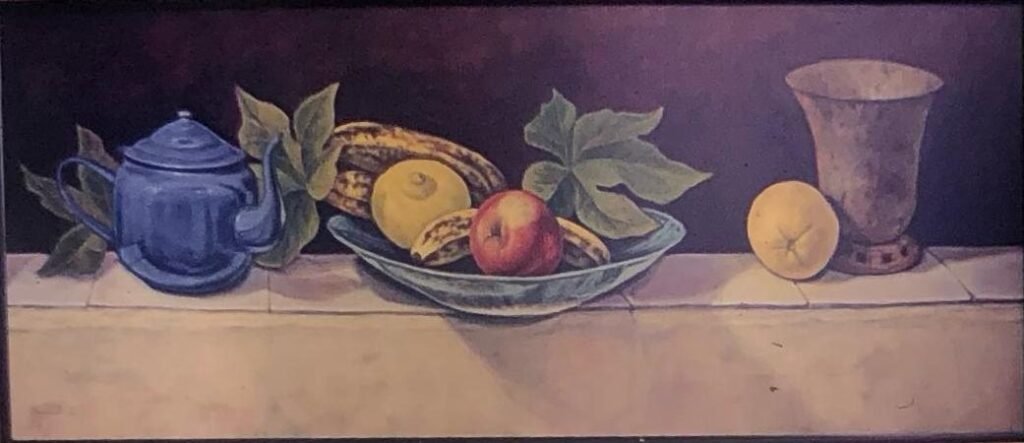
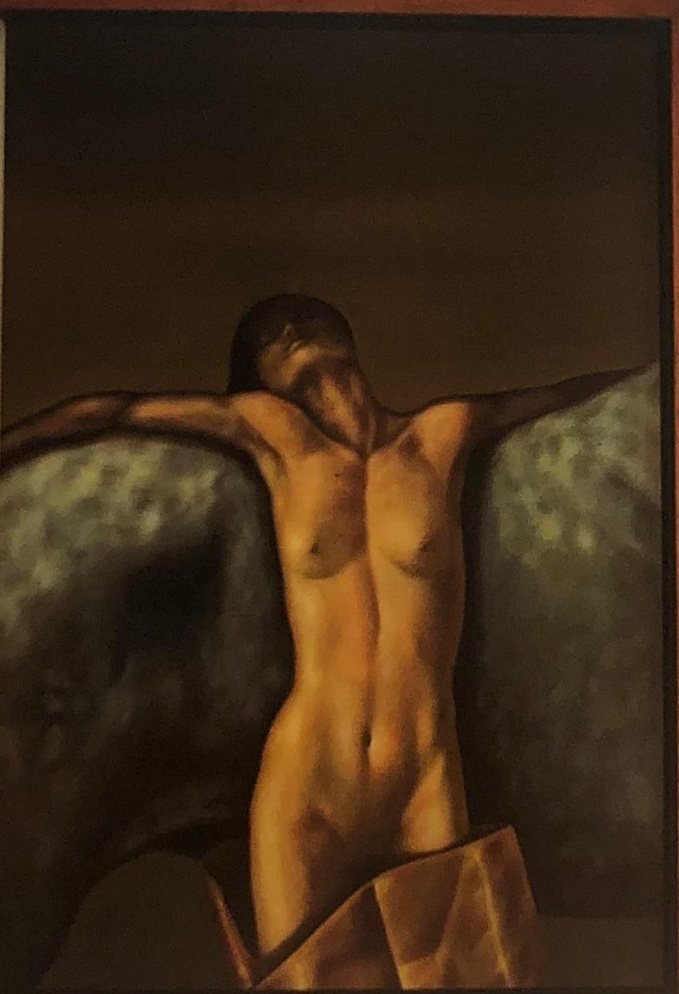
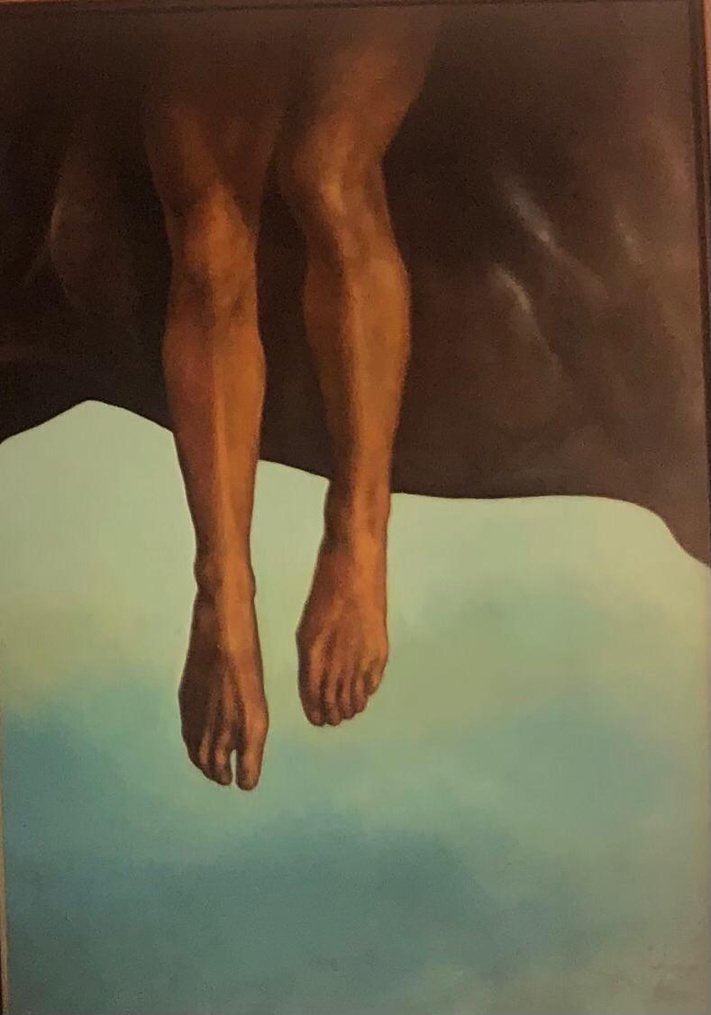
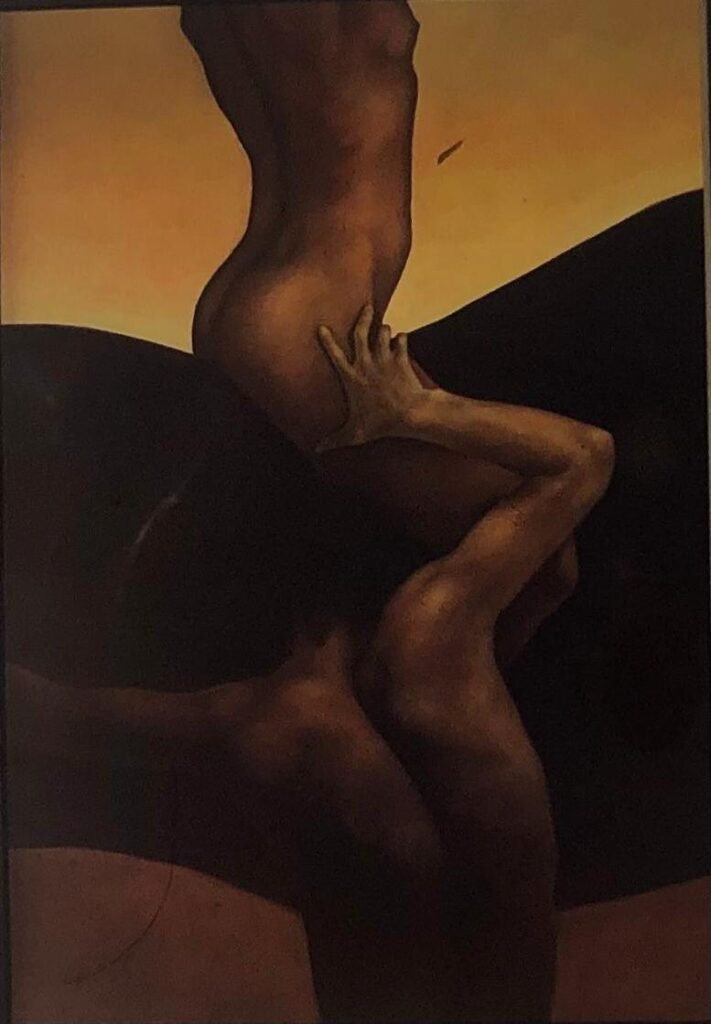
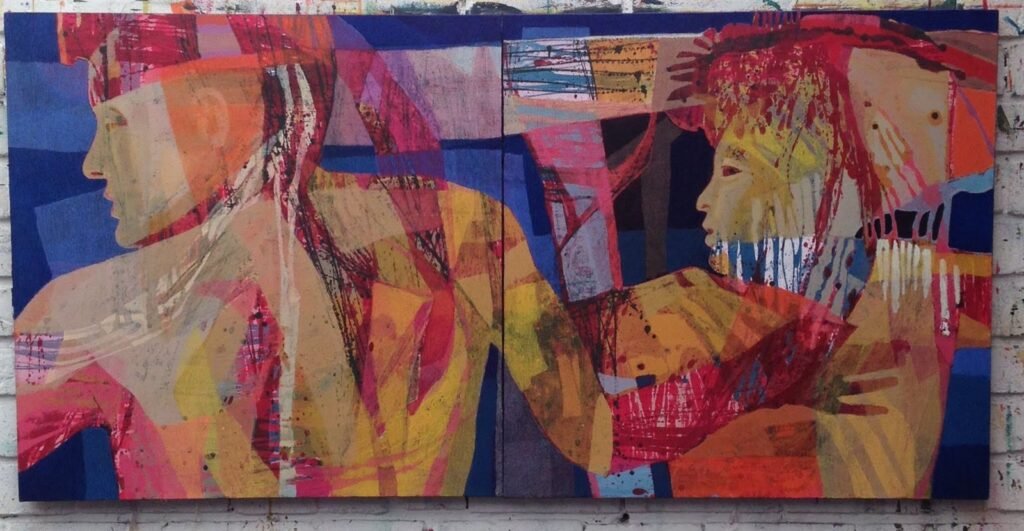
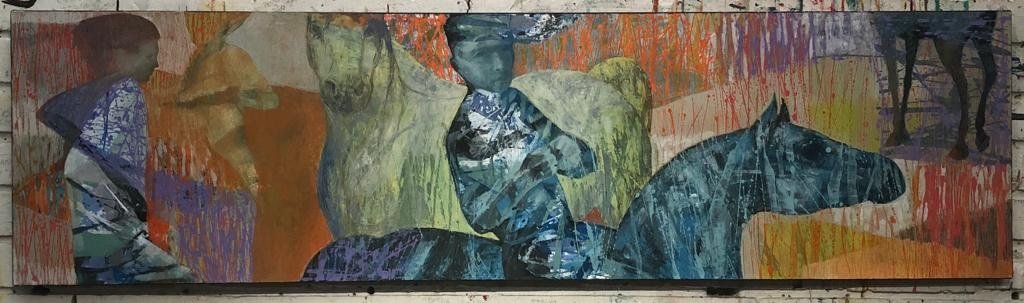
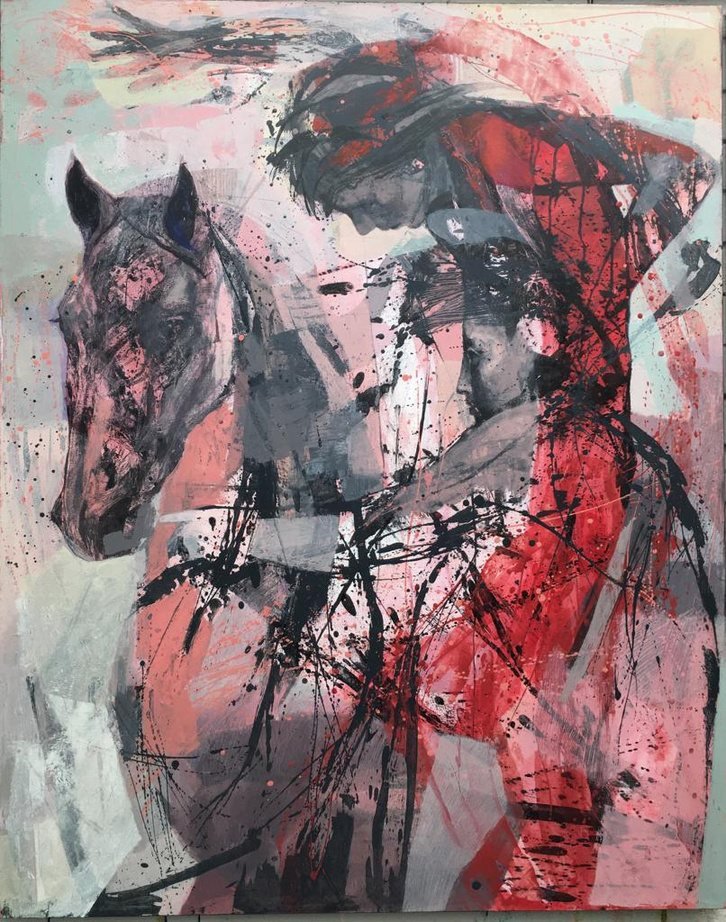
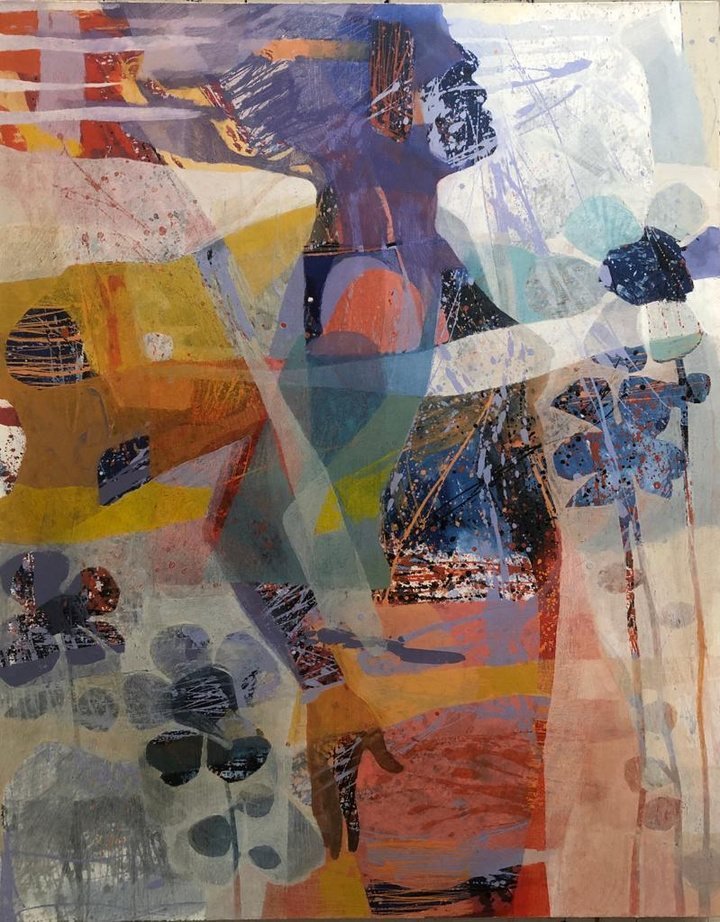
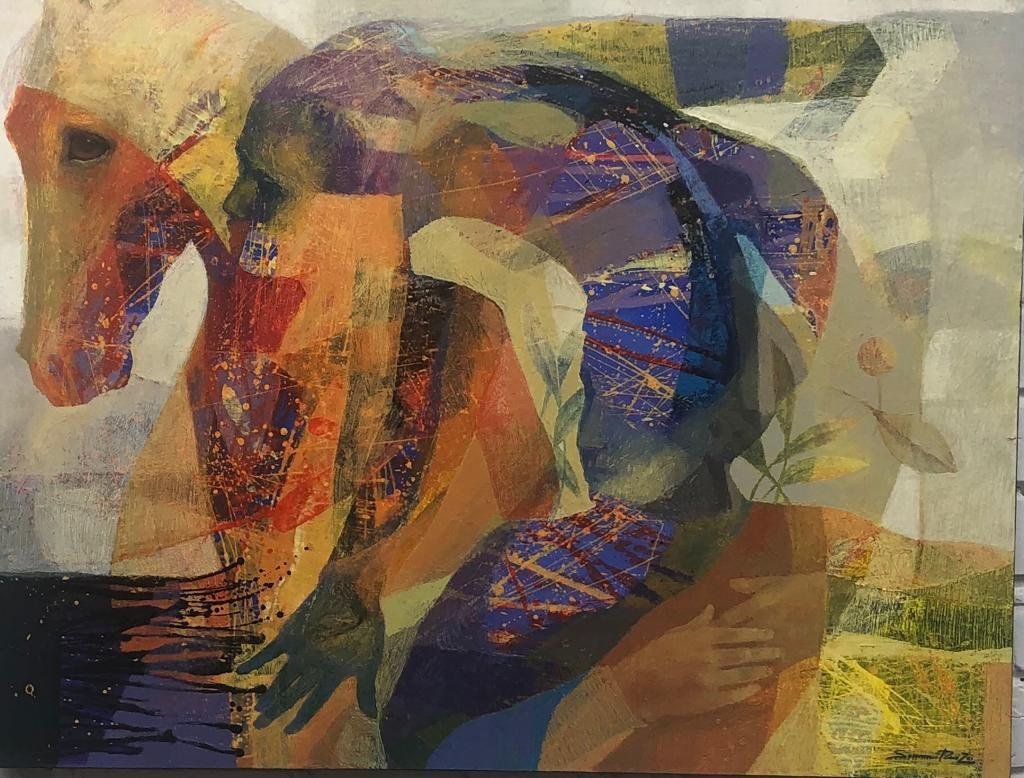
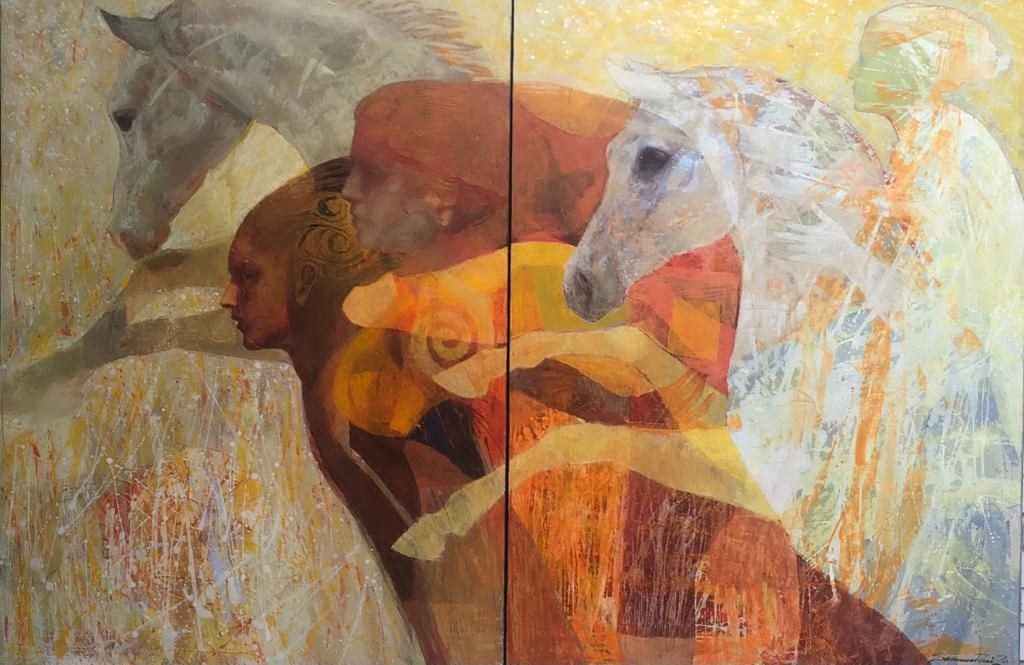
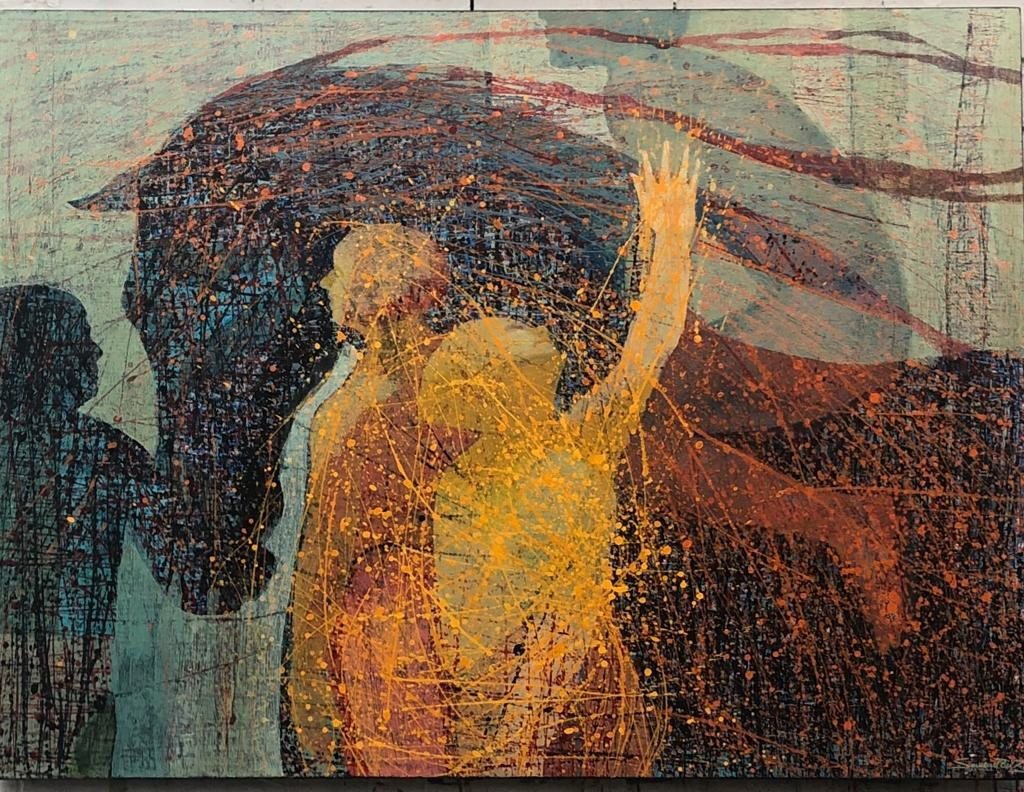
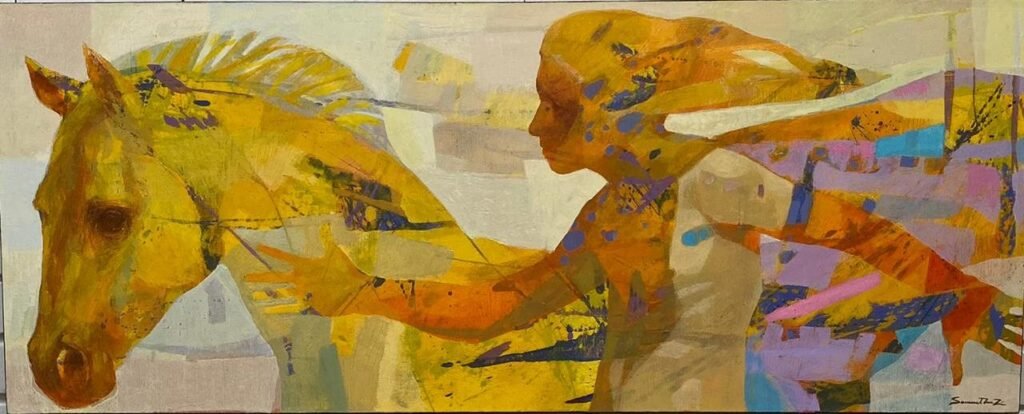
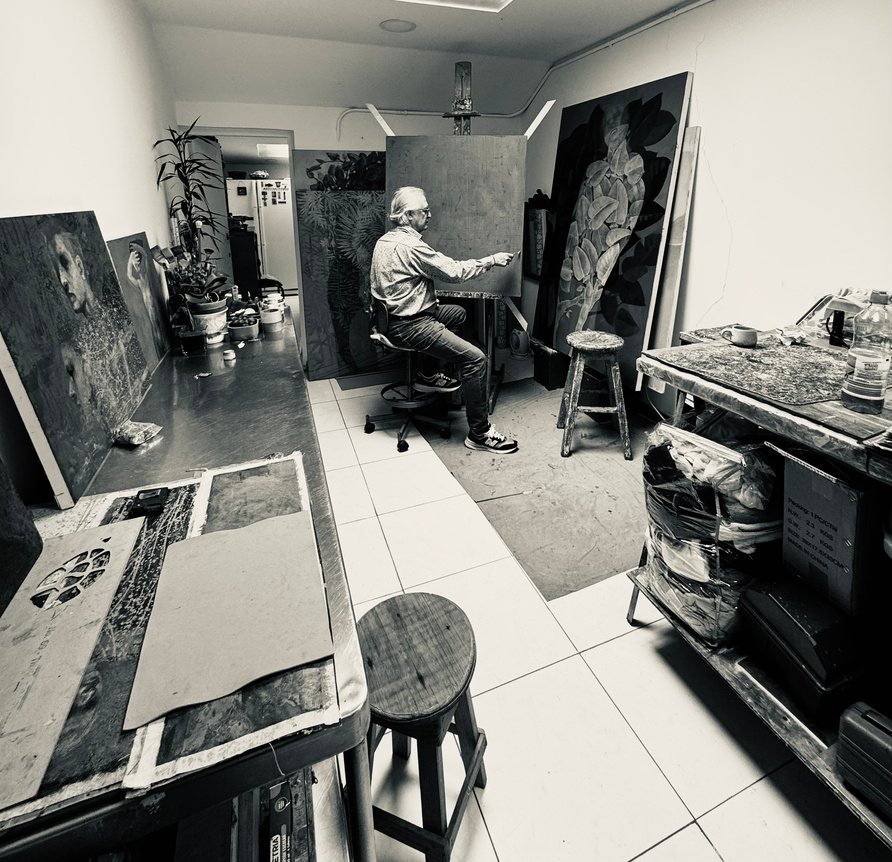
Samuel Ruiz was born in Argentina in 1957. He trained as an artist in Colombia, where he studied and carried out research in workshops such as those of David Manzur, the Novoarte workshop (printmaking) and Sextante (printmaking). For more than four decades he has developed a body of work centered on the reinterpreted human figure, with solo and group exhibitions in Colombia, Puerto Rico, Germany, the United Arab Emirates, Taiwan and the United States. He currently lives between Puerto Rico and Bogotá, where he continues his pictorial exploration from a symbolic, expressionist and deeply emotional perspective.
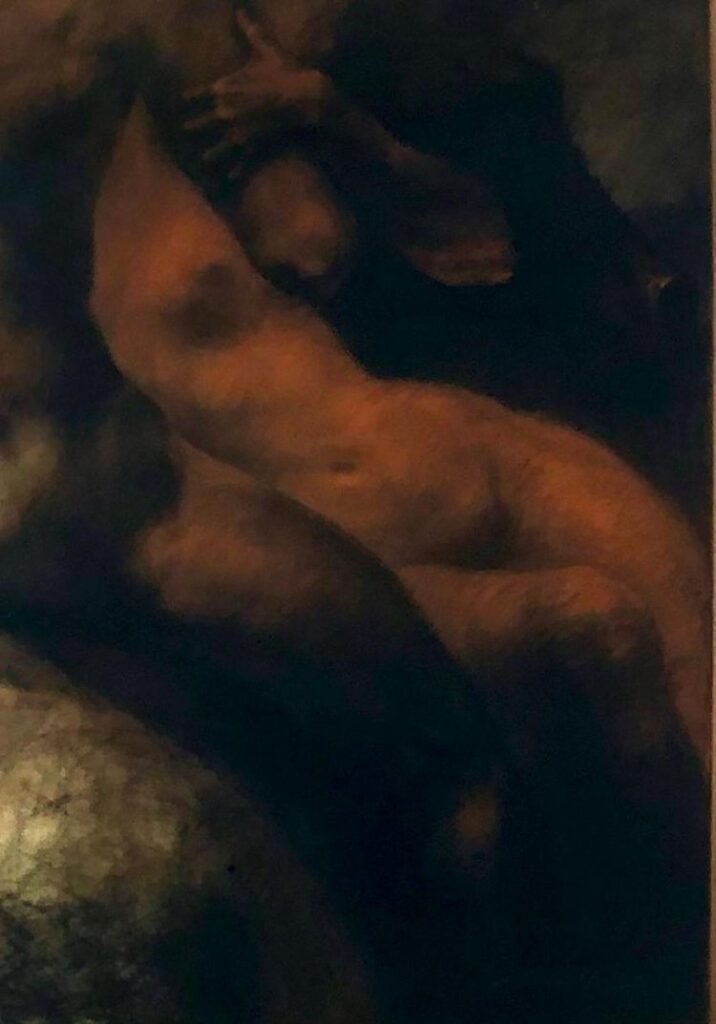
Samuel Ruiz’s work revolves around the human figure, stripped of its natural form to become symbol, emotion and memory. Over more than four decades he has built an expressionist, intimate and timeless visual language, in which every stroke seems held in a suspended breath.
His compositions do not tell a literal story: they invite silence, a fertile emptiness, that zone where the visible merges with the inner world. Each figure appears suspended, as if arriving from a dream or a collective memory. Samuel Ruiz works mainly in oil and mixed media, and his palette — sometimes restrained, sometimes intense — reflects states of mind that transcend the work itself.
Chapter 01
Beginnings.
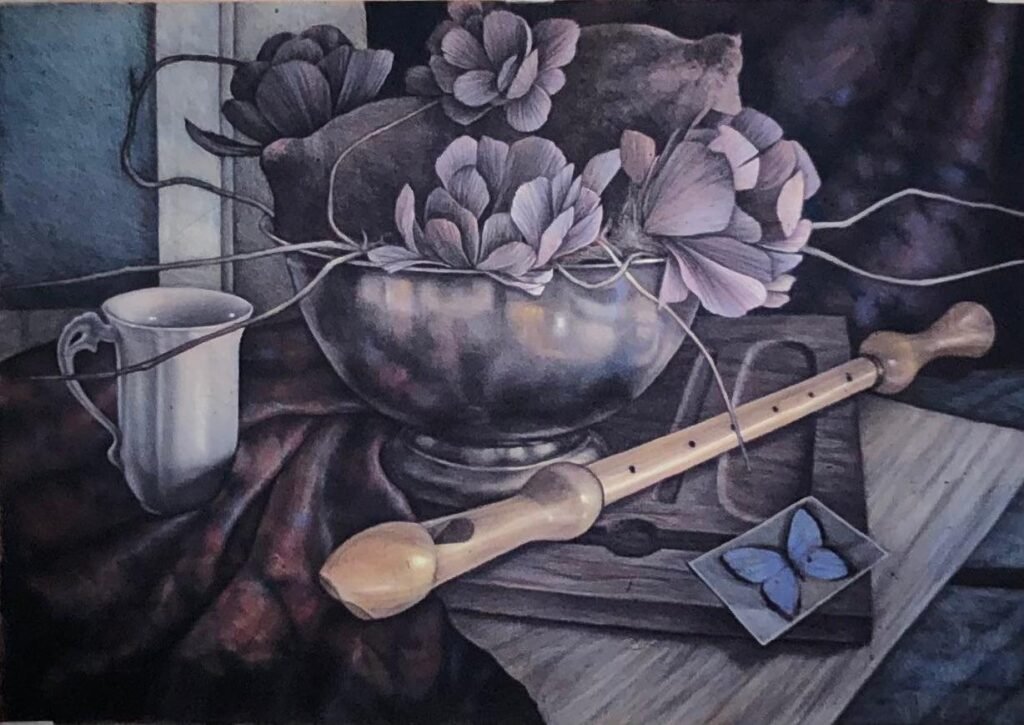
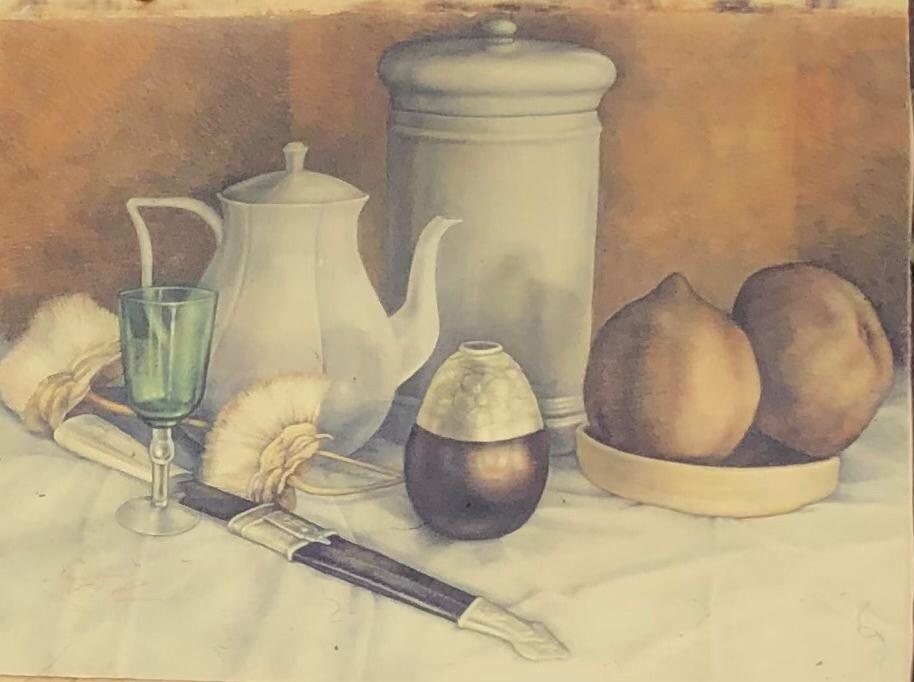
Samuel Ruiz began his artistic path as a self-taught artist, carrying out his first visual explorations outside traditional academic circles. During this early stage he began experimenting with pastel and acrylic, exploring the expressive possibilities of color and gesture on paper.
These early works already reveal an interest in the symbolic construction of the human figure, as well as an inclination to use material as a vehicle for meaning. In that spirit of formal inquiry, he incorporated unconventional materials such as sand, creating textures and reliefs that challenged the two-dimensionality of the support.
This period of intense technical exploration laid the foundations for an increasingly conscious and complex visual language, which would later be consolidated in his painting and printmaking with a fully defined identity.
Untitled
Chalk pastel on paper 1990
Untitled
Pastel drawing on paper 1980
Untitled
Chalk pastel on paper 100 × 70 cm 1980
Chapter 02
Drawing as a full language.
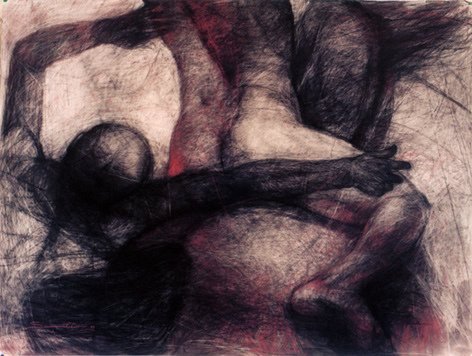
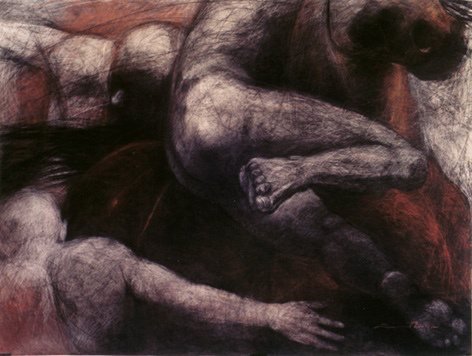
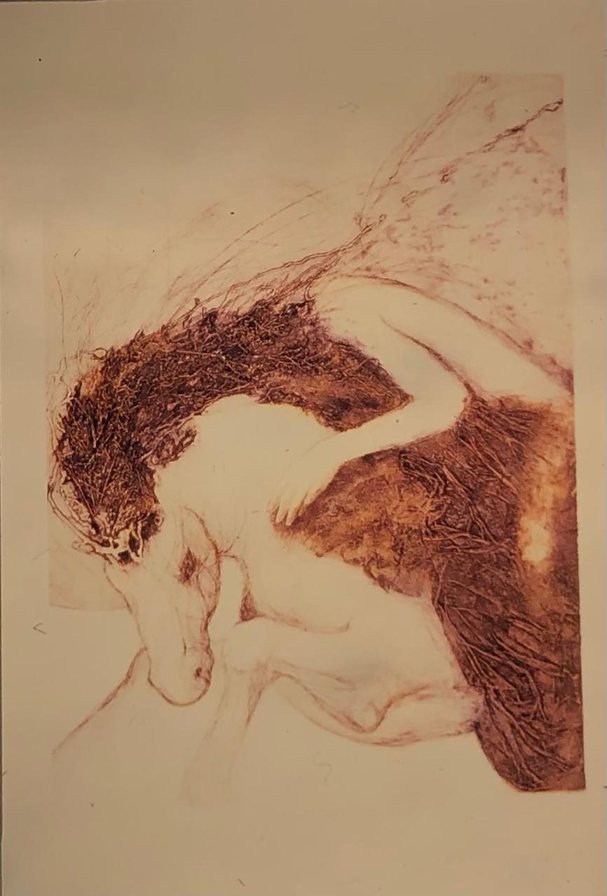
Samuel Ruiz has always drawn, but it was from the early 1980s that drawing — particularly in charcoal and sanguine — became a central tool in his artistic development. Not as a step before painting, but as an autonomous, definitive and deeply expressive medium.
For nearly a decade, these materials allowed him to develop a series of large-format works in which the human figure is broken down, fragmented and rebuilt from emotion. The line ceases to be an outline and becomes breath, trace, a contained cry. Crossing lines, voids and zones of tension compose bodies that do not represent but evoke inner states and suspended gestures.
This stage marks a turning point in his career: the graphic and the symbolic intertwine naturally, and drawing — freed from its preliminary role — reaches an emotional intensity as profound as painting itself.
Untitled
Charcoal on paper 70 × 100 cm 1980
Untitled
Charcoal on paper 100 × 70 cm 1980
Untitled
Charcoal and sanguine on paper 100 × 70 cm 1980
Untitled
Charcoal and sanguine on paper 100 × 70 cm 1980
Drawing
Charcoal and sanguine on paper 150 × 180 cm 2000
Drawing
Charcoal and sanguine on paper 150 × 180 cm 2000
Chapter 03
Technical exploration and graphic evolution.
Over more than four decades, Samuel Ruiz has developed an artistic practice grounded in the constant exploration of materials, supports and visual gestures. Although his language has always orbited around the human figure, it is his use of mixed media and drawing that has allowed him to expand his expressive universe.
From his first works in oil, through charcoal, pastel, graphite and combined pigments, Ruiz has understood material as part of meaning. The line does not merely define form: it builds atmosphere, memory, tension. Drawing — especially on a large scale — has been for him not a tool subordinate to painting but an autonomous medium with which he tests, investigates and goes deeper.
In his most recent works, layered materials, broken transparencies and the incorporation of graphic processes intensify the presence of the body as an emotional trace. This technical openness is not decorative but conceptual: the graphic becomes voice, the mixed becomes language. It is in that freedom — between the pictorial and the graphic, between the figurative and the symbolic — that Ruiz finds fertile ground to keep transforming his work and, with it, his own view of what is human.
Untitled
Oil on canvas 1980
Untitled
Oil on canvas 1980
Untitled
Acrylic on paper 100 × 70 cm 1980
Untitled
Acrylic on paper 100 × 70 cm 1980
Untitled
Acrylic on paper 100 × 70 cm 1980
Chapter 04
The decade of pulse and pressure.
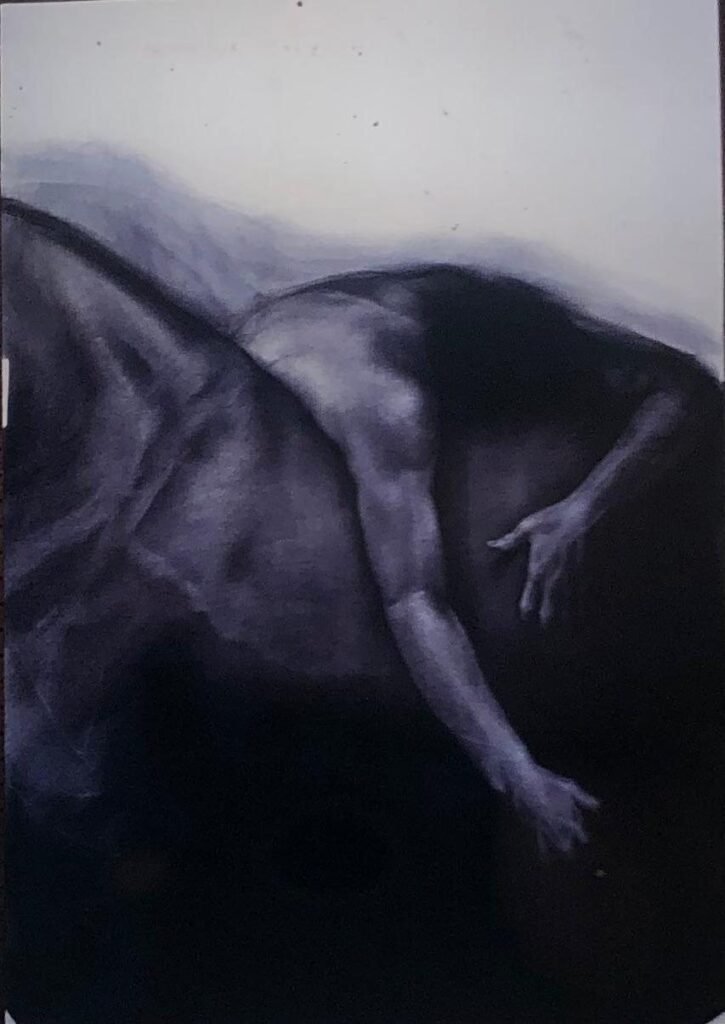
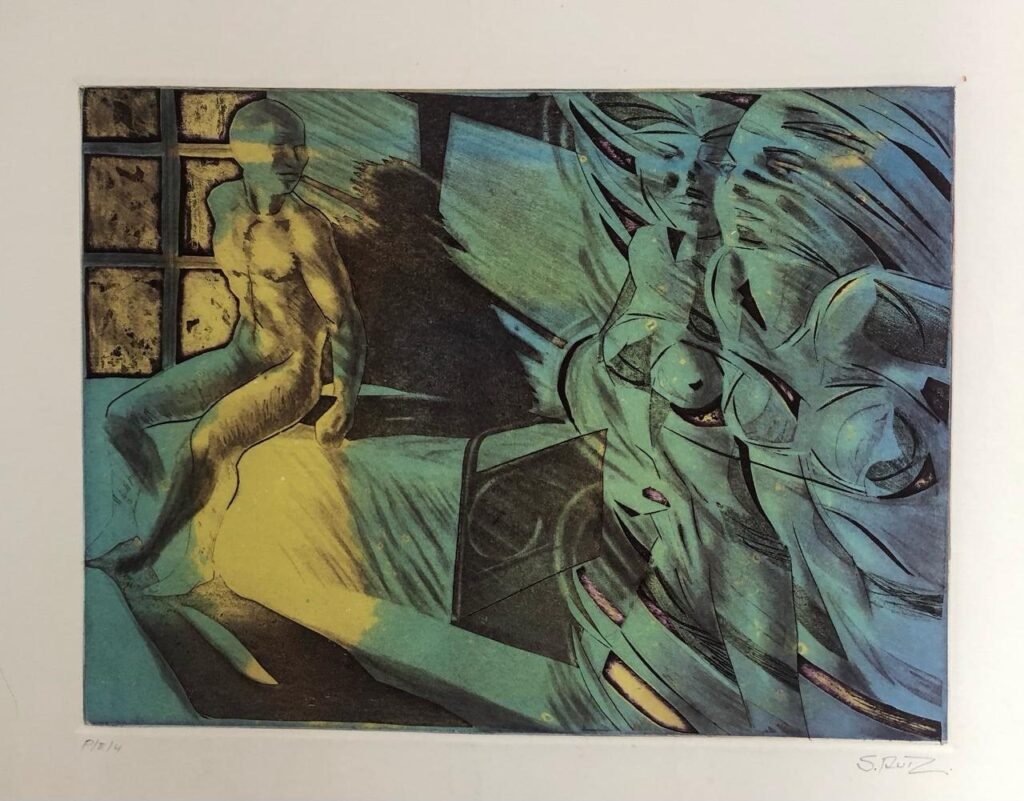
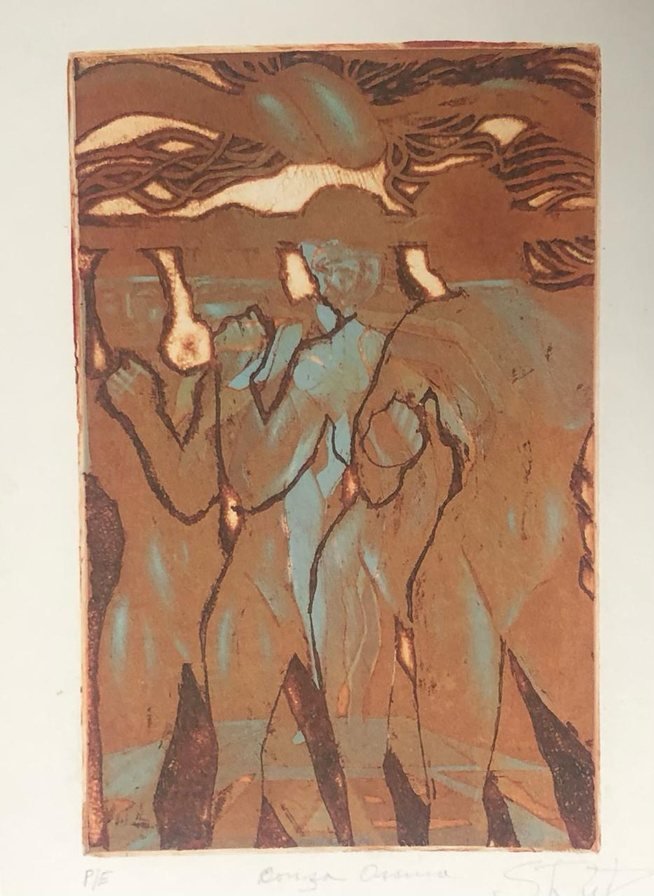
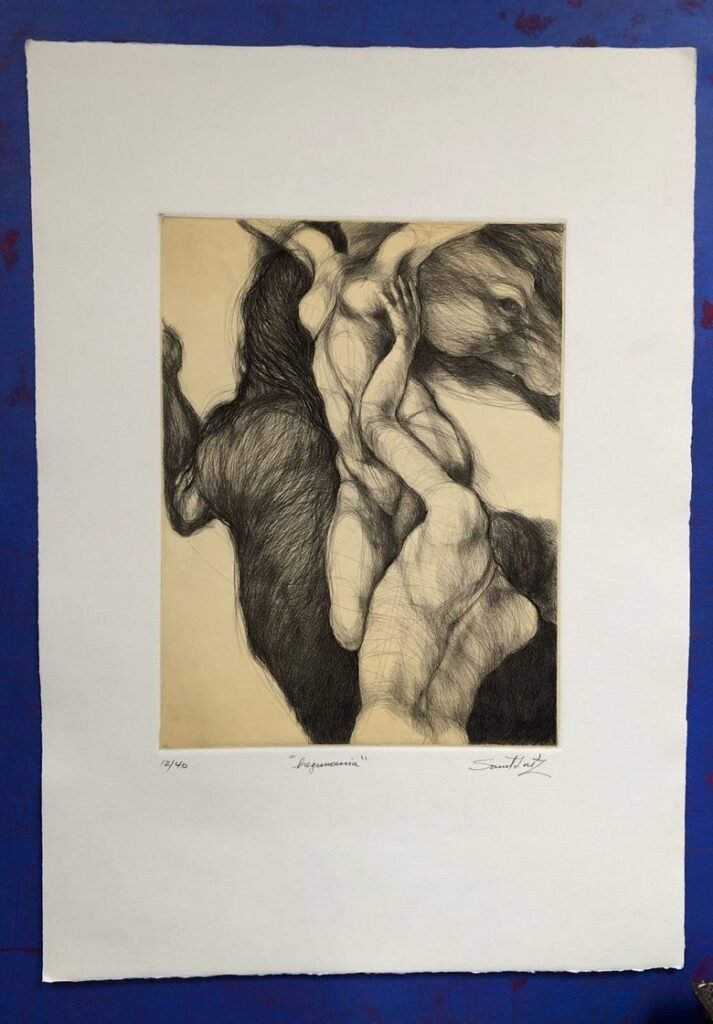
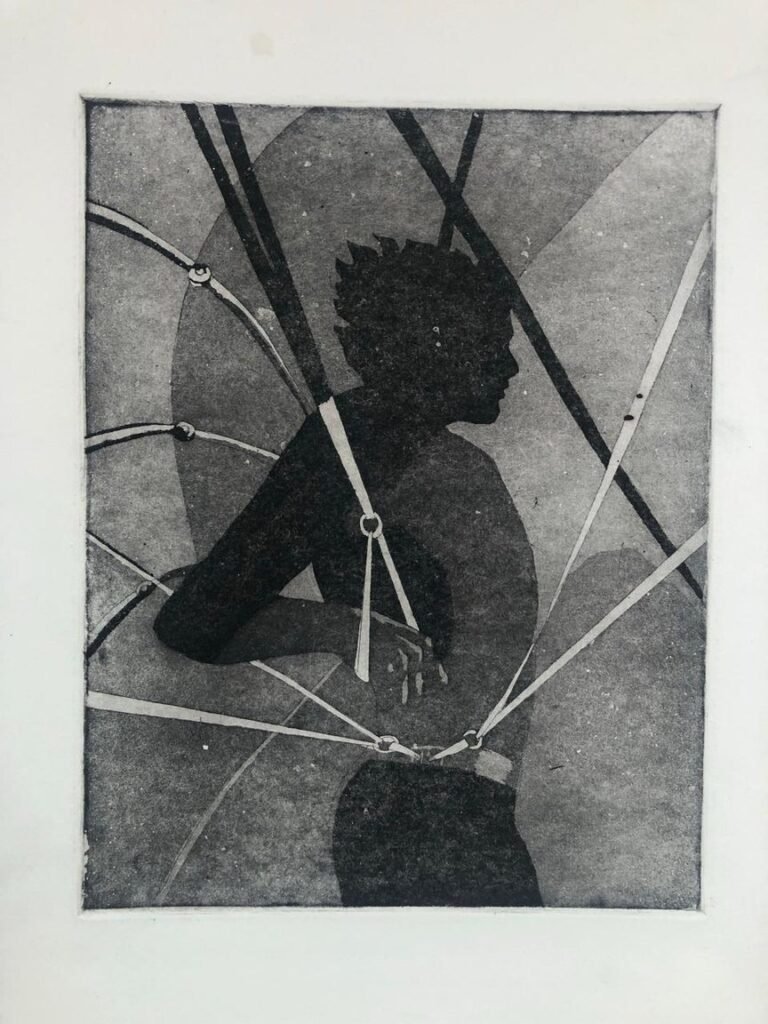
From the 1980s onward, Samuel Ruiz began a period of intense research in printmaking — in metal as well as in mixed graphic techniques — that would mark a decisive turn in his visual language. What began as a technical inquiry soon became a powerful channel for articulating his reflections on the body, the symbol and time.
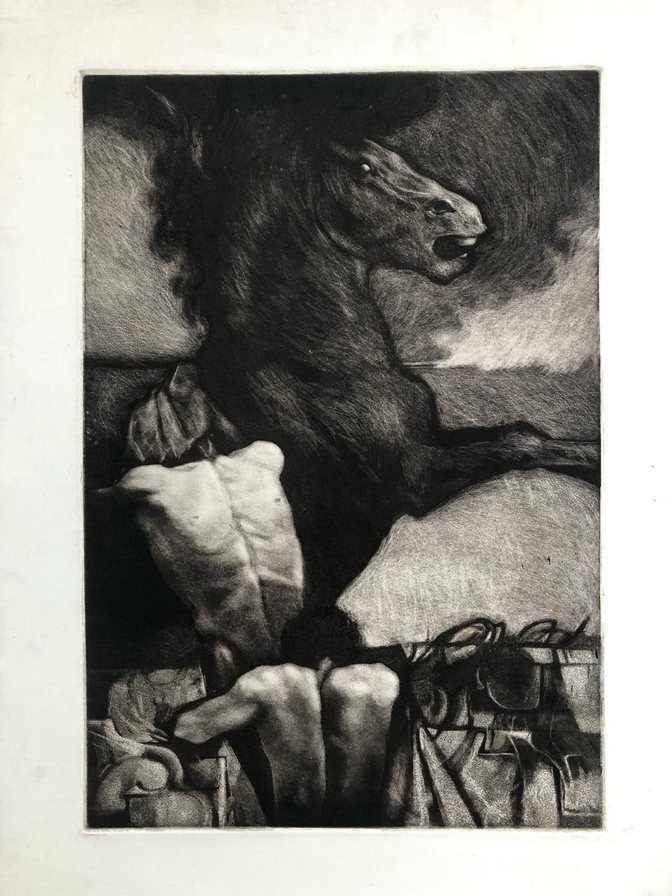
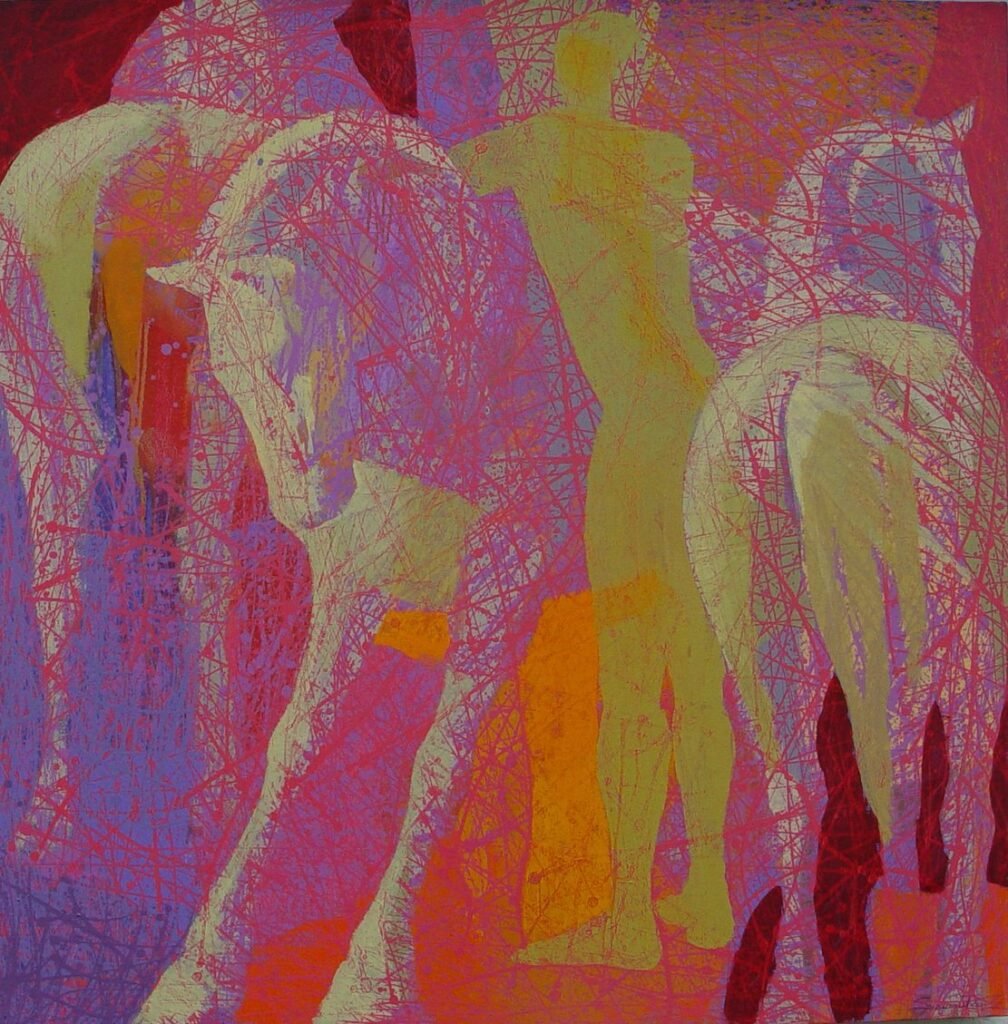
The images of this period reveal a deep command of chiaroscuro, anatomy and emotional construction through line. In his etchings and aquatints, human figures, animals and objects appear between the narrative and the mythical, the tangible and the spectral. The body, facing the beast — as in his work with the horse — or dissolved among fragmented planes of identity, becomes the symbolic axis of an inner tension.
Printmaking allowed him not only to refine his formal precision but also to develop a visual poetics in which every line seems like memory, and every shadow, presence. Far from being a technical parenthesis, this stage stands as a phase of aesthetic and philosophical maturity within his overall production.
Untitled
Color print from a single plate 24 × 30 cm 1984
Danza oscura
Color from a single plate 24 × 16 cm 1984
Untitled
Acrylic print 1990
Untitled
Mezzotint 40 × 30 cm 1990
Hegemonía
Drypoint 40 × 30 cm 1990
Untitled
Etching 40 × 30 cm 1990
Chapter 05
Visual transition: from structural study to symbolic expression.
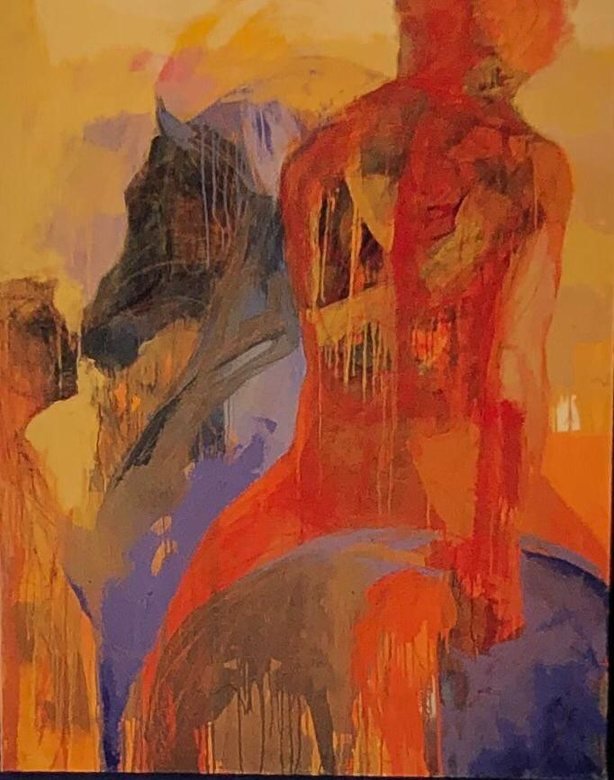
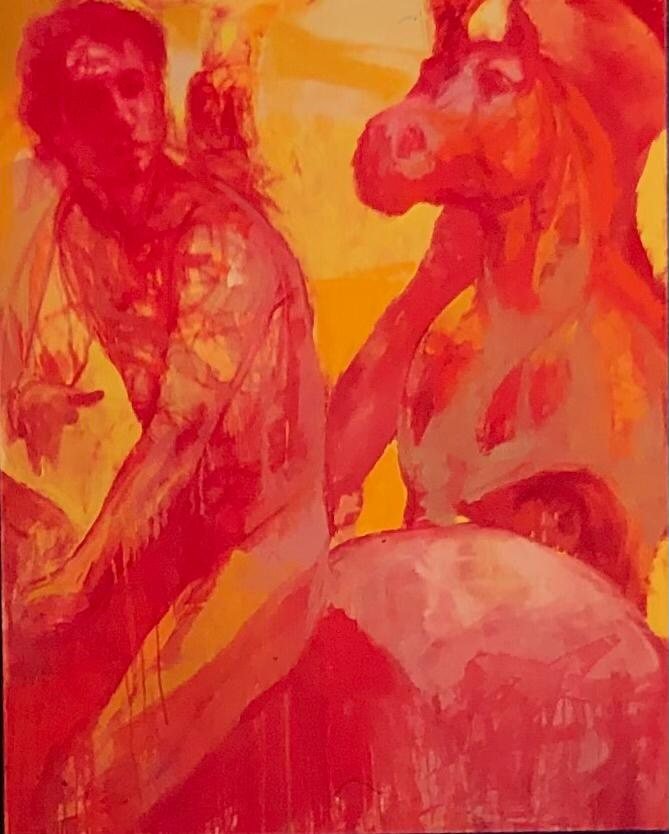
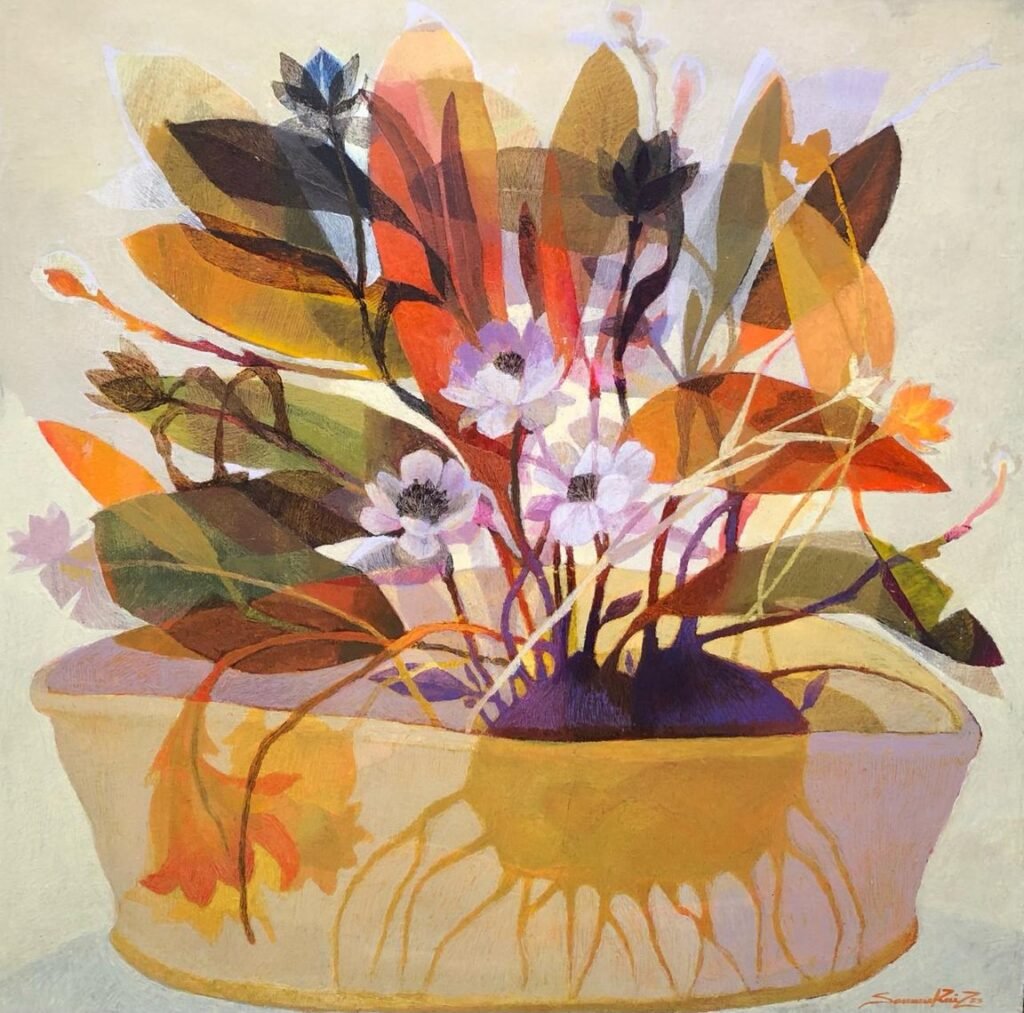
During the 1980s, Samuel Ruiz’s work was characterized by an academic treatment of the human body: solid figures, precisely modeled volumes and a compositional approach that favored formal structure. Drawing was the central axis, and the body an architecture for studying tension, gravity and gesture.
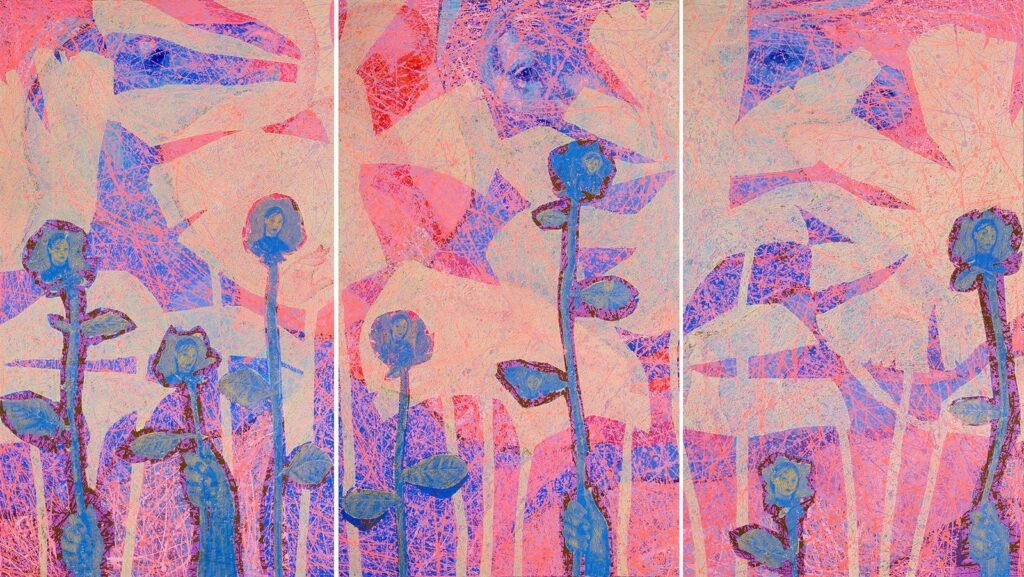
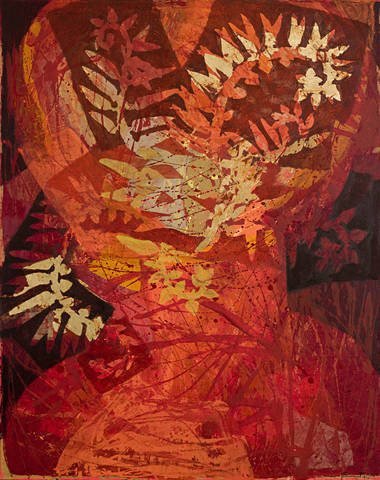
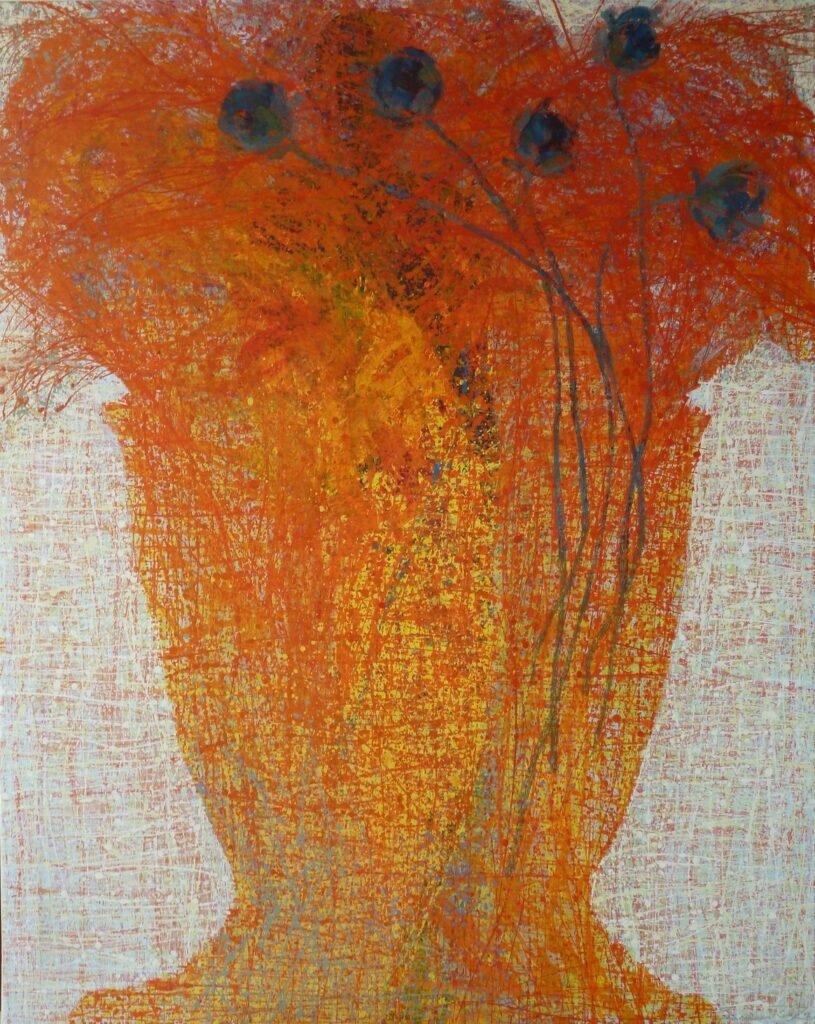
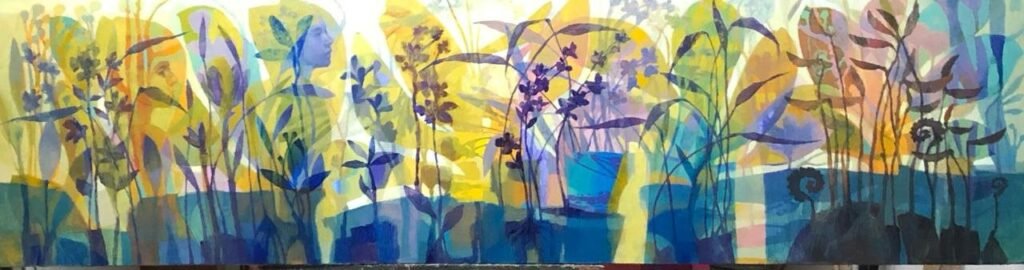
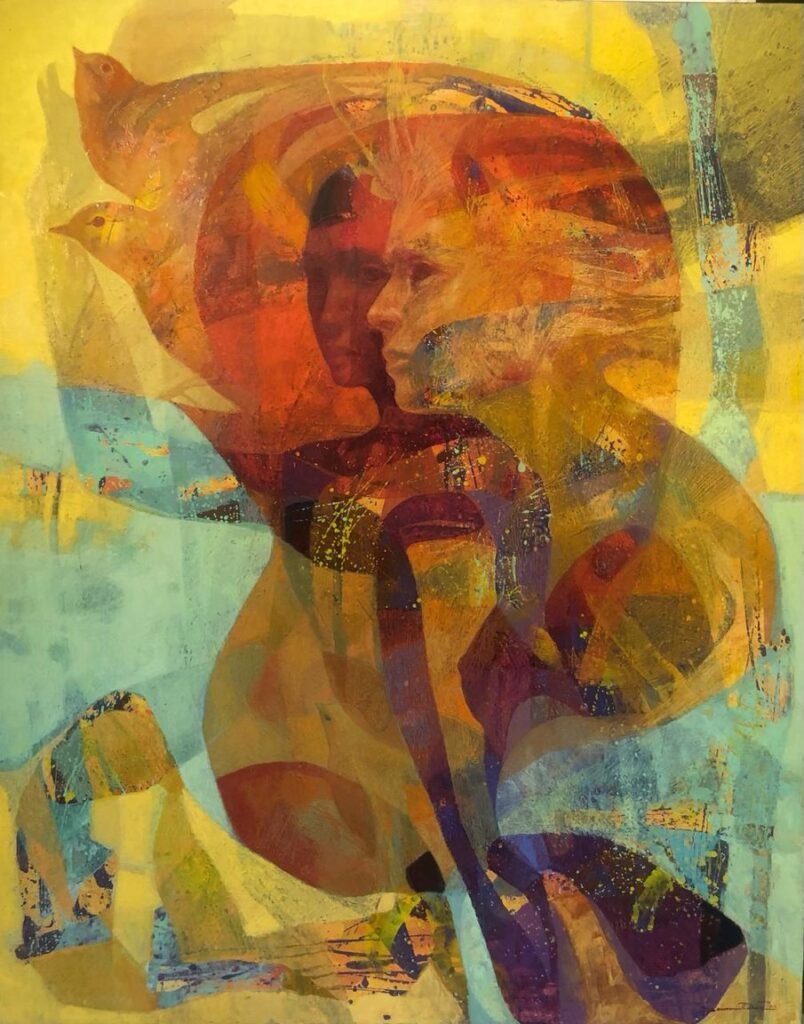
Over the years, however, that same body was transformed. The figure began to lose its outline, to become transparent, vibrant, more intuitive than descriptive. In his most recent works, Ruiz replaces line with stain, form with emotional presence. The body no longer occupies a space: it suggests it, evokes it, leaves it in suspense.
This evolution marks a profound transition, not only technical but conceptual. From external observation to internal construction, from the body as object to the body as symbol.
El David
Oil on canvas 150 × 120 cm 1990
Untitled
Oil on canvas 150 × 120 cm 1990
Danza para una despedida
152 × 170 cm 2006
Multicolor
Oil on canvas 120 × 120 cm 2007
Mandrágora
Oil on canvas 152 × 122 cm 2011
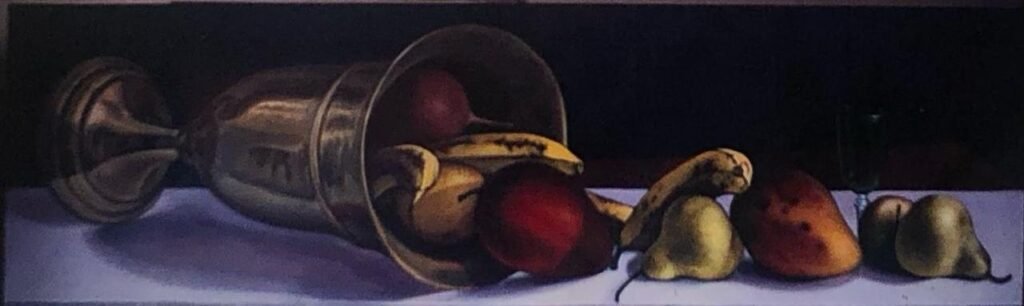
Florero
Oil on canvas 150 × 120 cm 2012
Cuidando el niño interior
Oil on canvas 76 × 180 cm 2018
El prócer
Oil on canvas 40 × 120 cm 2020
La partida
Oil on canvas 151 × 120 cm 2020
Flora
Oil on canvas 151 × 120 cm 2020
Untitled
Oil on canvas 76 × 102 cm 2021
The messengers
Oil on canvas 122 × 183 cm 2021
El desfile
Oil on canvas 90 × 122 cm 2021
Ventus
Oil on canvas 61 × 120 cm 2022
Jardín cautivo
Oil on canvas 178 × 78 cm 2023
Jardín cautivo
Oil on canvas 78 × 78 cm 2023
Solarium
Oil on canvas 80 × 150 cm 2024
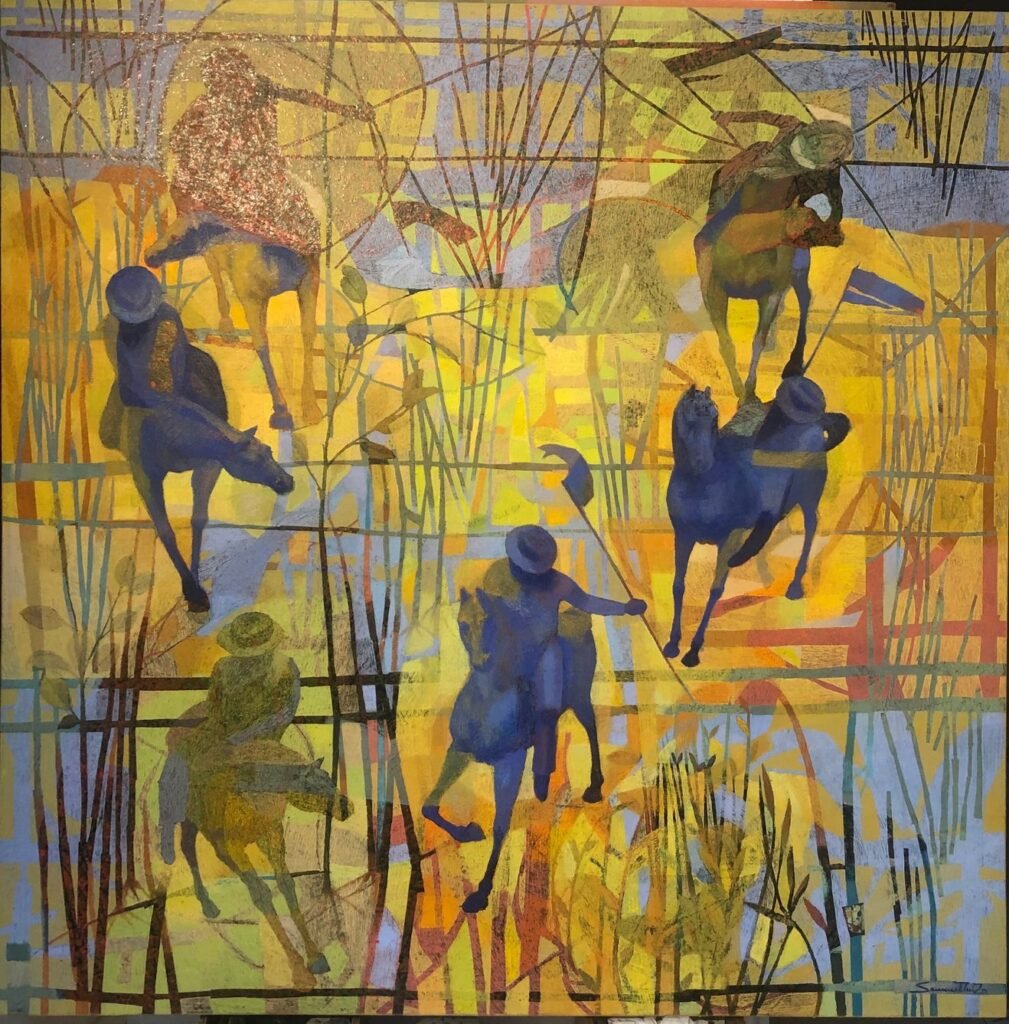
Torneo
Oil on canvas 150 × 150 cm 2024
El viaje
Oil on canvas 152 × 122 cm 2024
Conclusion
His work does not represent bodies: it listens to them.
Samuel Ruiz’s work is the result of a constant, rigorous and deeply personal exploration spanning more than forty years. From his self-taught beginnings to his consolidation as an international artist, he has built a solid and singular visual language in which the human figure becomes symbol, emotion and memory.
His career brings together technique, intuition and thought. Drawing, painting and mixed media become paths to break down, rebuild and evoke what dwells within us.
To propose an exhibition devoted to Samuel Ruiz is to offer a profound experience that goes beyond aesthetics to connect with the essential. An exhibition that opens a dialogue between matter and silence, between memory and form, between art and what is human.
Read also what critics have written about his work.